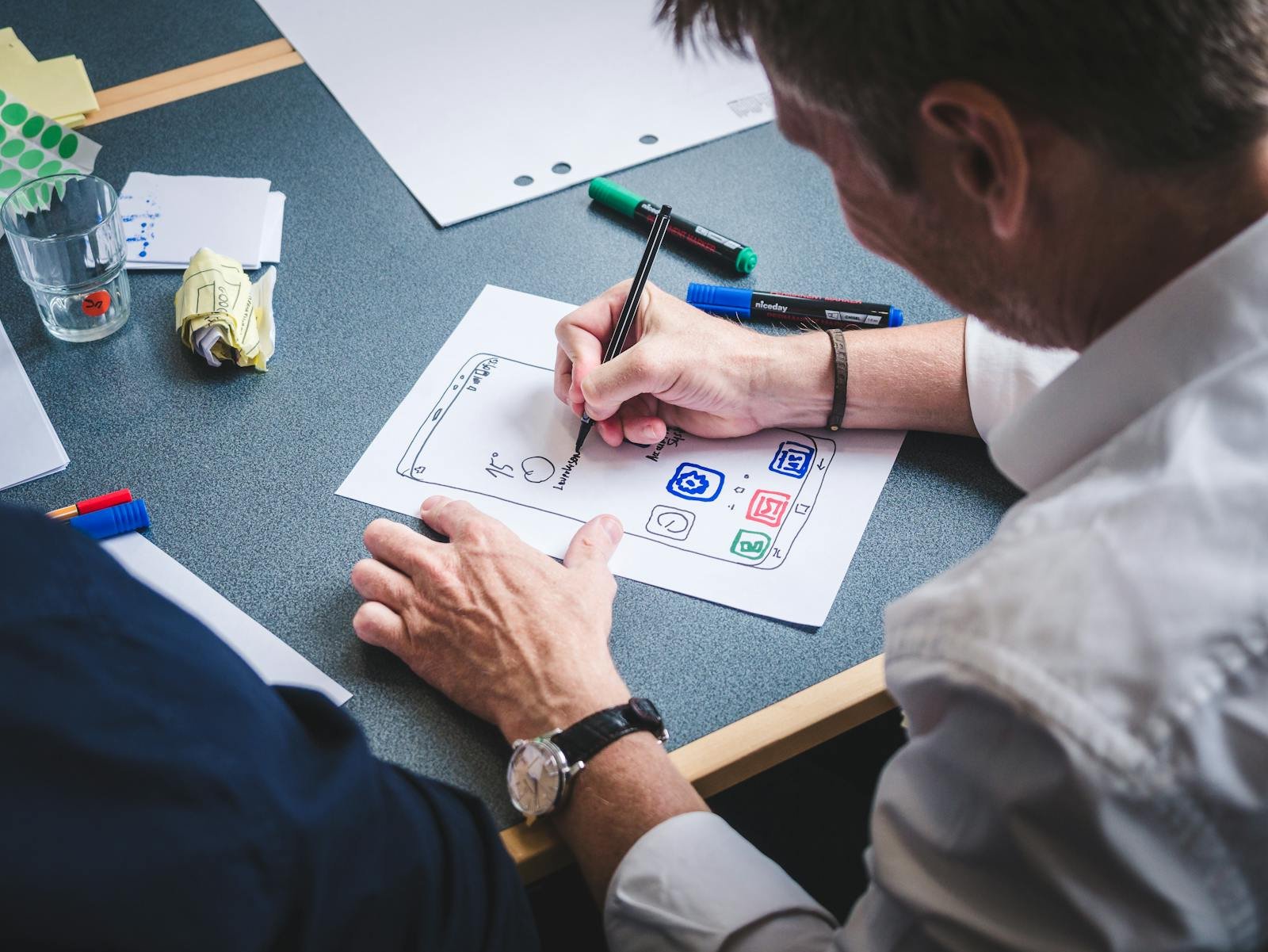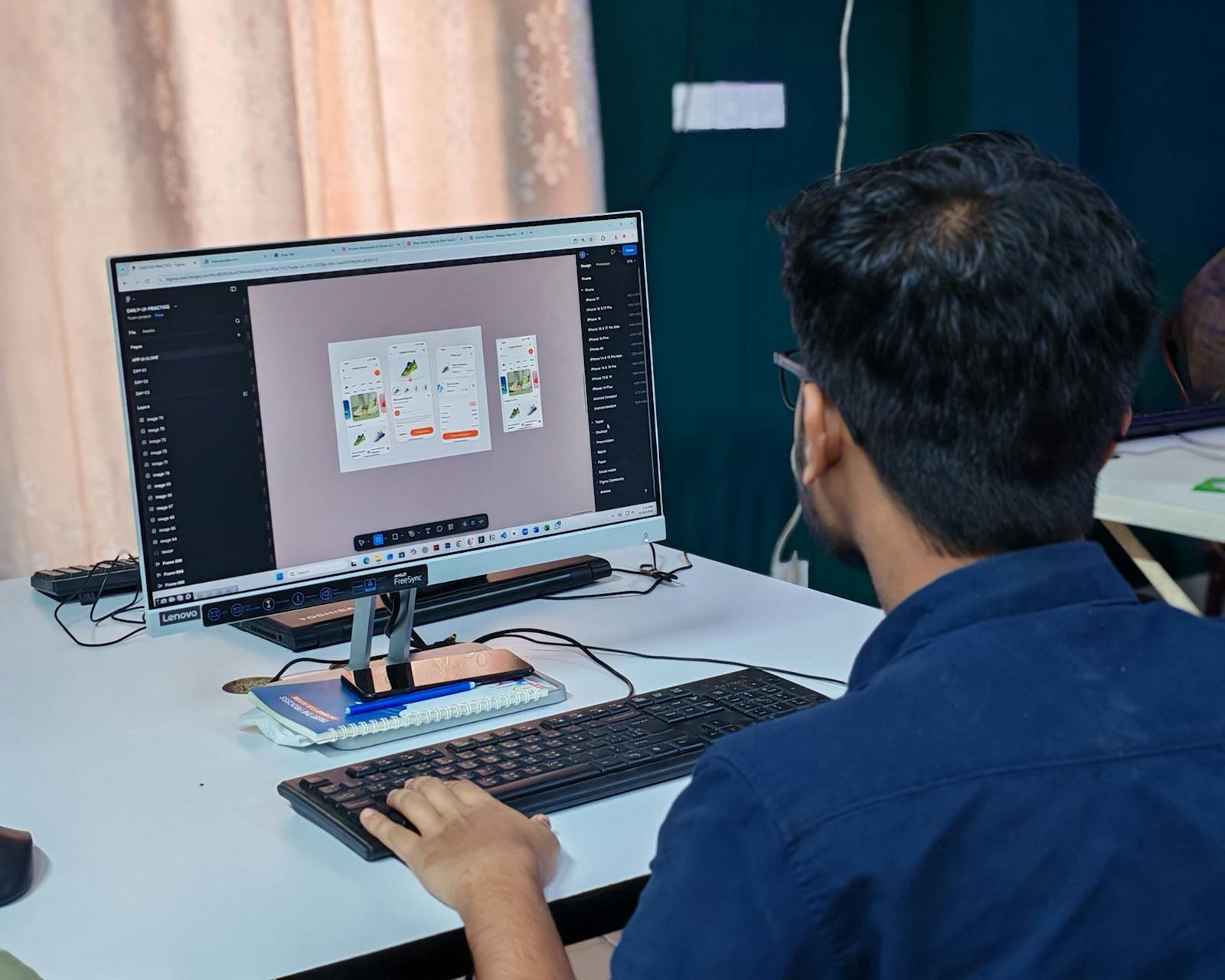
The fake "perfect button"
"Let's redo the button again." Meanwhile, the real product problem stays elsewhere. The product is trying to look prett…
 Mickael Romaniello
30 minutes, no slides, nothing to prepare.
Mickael Romaniello
30 minutes, no slides, nothing to prepare.
Push notifications are one of the most powerful tools in mobile — and one of the most abused. Here's the difference between a notification that helps and one that annoys.
Push notifications are the small messages that appear on a user's lock screen or notification center from your app. Done well, they are one of the highest-return features in mobile. Done poorly, they are the fastest way to get your app uninstalled. The difference between a smart notification and a bad one is not technology — it is intention.
The most important factor in a useful push notification is relevance. A smart notification delivers information the user actually needs at the moment they need it. A ride-hailing app telling you your driver is arriving? Smart. A retail app sending "We miss you!" three times a week? Not smart. The rule is simple: if the user would feel genuinely helped by receiving the message right now, send it. If they would feel interrupted, do not.
Timing is equally critical. Research consistently shows that the same message sent at the wrong time produces dramatically lower open rates and higher unsubscribe rates. A food delivery app pushing a lunch deal at 7 AM will be ignored. The same deal pushed at 11:45 AM gets clicked. Smart notifications are built around the user's context, not the company's broadcasting schedule.
A basic notification goes to every user with the same message. A smart notification uses behavioral data to segment users and send messages that match their specific situation. A user who has never purchased from your app and a loyal customer who orders weekly should not receive the same notification. The first needs a discovery message; the second needs a loyalty reward or a restock alert for something they have ordered before.
This level of personalization does not require a complex infrastructure. It requires clear thinking about user segments at the time the product is designed, and a backend that records enough behavioral data to act on those segments meaningfully.
Both iOS and Android now require explicit permission for push notifications, and users have become very selective about granting it. If your app asks for notification permission before it has demonstrated its value, most users will decline. In short: earn the right to notify before you ask for it. Show users the value of your app first, then explain what your notifications will do for them specifically, then ask.
If your current app is sending generic, high-frequency notifications and your open rate is falling, the fix is not to send more — it is to send better. I help businesses redesign their notification strategy as part of the product engineering process to turn a channel that users tolerate into one they appreciate.
Ready to build a notification strategy that users welcome? Let's talk.
12 years of experience, iOS + Android, one dedicated contact. Free 30-minute call to scope your need — no commitment, no jargon.
Book a call →
Push notifications are the small messages that appear on a user's lock screen or notification center from your app. Done well, they are one of the highest-return features in mobile. Done poorly, they are the fastest way to get your app uninstalled. The difference between a smart notification and a bad one is not technology — it is intention.
The most important factor in a useful push notification is relevance. A smart notification delivers information the user actually needs at the moment they need it. A ride-hailing app telling you your driver is arriving? Smart. A retail app sending "We miss you!" three times a week? Not smart. The rule is simple: if the user would feel genuinely helped by receiving the message right now, send it. If they would feel interrupted, do not.
Timing is equally critical. Research consistently shows that the same message sent at the wrong time produces dramatically lower open rates and higher unsubscribe rates. A food delivery app pushing a lunch deal at 7 AM will be ignored. The same deal pushed at 11:45 AM gets clicked. Smart notifications are built around the user's context, not the company's broadcasting schedule.
A basic notification goes to every user with the same message. A smart notification uses behavioral data to segment users and send messages that match their specific situation. A user who has never purchased from your app and a loyal customer who orders weekly should not receive the same notification. The first needs a discovery message; the second needs a loyalty reward or a restock alert for something they have ordered before.
This level of personalization does not require a complex infrastructure. It requires clear thinking about user segments at the time the product is designed, and a backend that records enough behavioral data to act on those segments meaningfully.
Both iOS and Android now require explicit permission for push notifications, and users have become very selective about granting it. If your app asks for notification permission before it has demonstrated its value, most users will decline. In short: earn the right to notify before you ask for it. Show users the value of your app first, then explain what your notifications will do for them specifically, then ask.
If your current app is sending generic, high-frequency notifications and your open rate is falling, the fix is not to send more — it is to send better. I help businesses redesign their notification strategy as part of the product engineering process to turn a channel that users tolerate into one they appreciate.
Ready to build a notification strategy that users welcome? Let's talk.
12 years of experience, iOS + Android, one dedicated contact. Free 30-minute call to scope your need — no commitment, no jargon.
Book a call →We write about mobile app development, user experience design, App Store optimization, project management, and industry trends. Our articles are based on real experience from client projects.
We aim to publish regularly with a focus on quality over quantity. Each article is written from hands-on experience, not generic advice.
Absolutely! Feel free to reach out via our contact page or book a consultation. We love hearing what questions our readers and clients have.
Most of my projects run remotely, and in practice that changes very little. We talk over video whenever you need to, not only at major milestones, and you can reach me with questions at any point during the project — I always answer.
You can also write to me directly on WhatsApp: same number I use every day, a French professional line that works internationally.