Store promises: the deception that destroys trust
Massive promises. Heavily retouched screenshots. AI everywhere. Everything looks incredible. Then the user downloads… a…
 Mickael Romaniello
30 minutes, no slides, nothing to prepare.
Mickael Romaniello
30 minutes, no slides, nothing to prepare.
The App Store or Google Play listing creates a promise. When the app does not match what was sold, the shock is brutal.

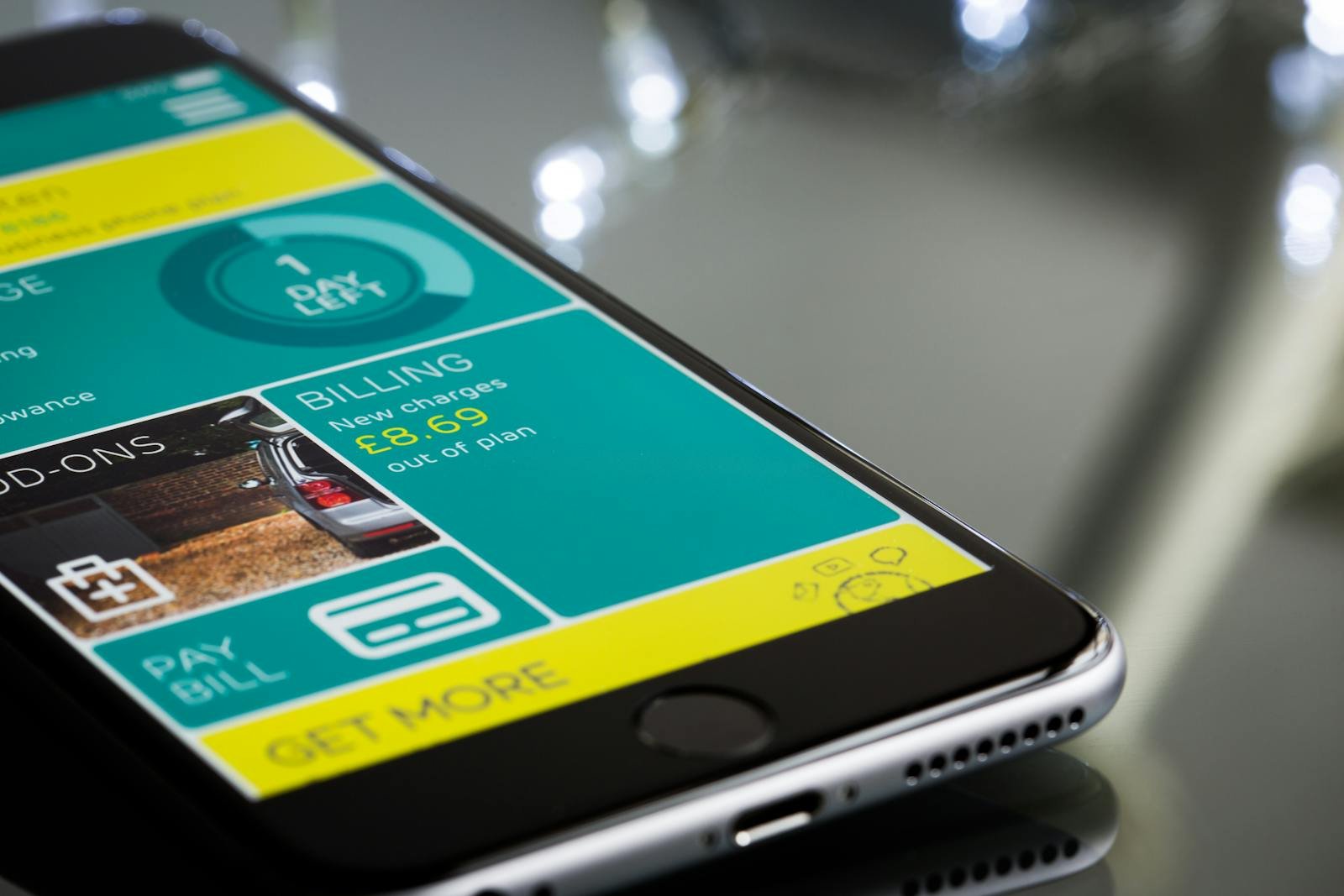
Today, the App Store or Google Play listing has become a full part of the product. And yet, plenty of projects still treat it as "just marketing".
Wrong.
Because screenshots, videos and descriptions immediately create expectations in the user's mind — and an expectation the app fails to meet is the most expensive kind of first impression.
The cost is measurable. Across 2,200 apps and 1.3 billion installs, 46.1% of Android installs were uninstalled within 30 days, with the majority going on day one "likely due to unmet expectations" (AppsFlyer, App Uninstall Report, 2025). That last clause is the entire subject of this article, stated by someone counting uninstalls rather than arguing about design.
When someone sees gorgeous screenshots, perfect animations, a "revolutionary" AI, ultra-ambitious promises, they're already imagining a certain experience.
The problem arrives when the actual app doesn't look anything like what was sold. And the shock is brutal.
The user opens the app… and finds : a different interface, missing features, empty screens, a far more limited experience, or sometimes everything locked behind an immediate subscription.
The problem isn't just disappointment. The problem is the feeling of being tricked. And on mobile, that feeling destroys trust very fast.
What many projects ignore is that the stores themselves monitor this. Apple and Google can reject an app if the screenshots don't actually represent the product.
Apple's App Store Review Guidelines (Metadata section) are explicit : screenshots must show the app as it is, not a beautified version. On Android, the Google Play policies forbid misleading screenshots or fictional features.
Especially on a first submission. Why ? Because they consider the store listing a user promise.
If screenshots show non-existent features, fake screens, a totally different interface, misleading content, it can become a problem.
And sometimes, it's not even intentional. Some teams just want to "make the listing prettier". But over-embellishing the experience can quickly become dangerous. Because in the end :
On mobile, the gap between promise and reality is extremely expensive. The best products aren't necessarily those that promise the most. Often, they're the ones that deliver exactly what they announced.
And honestly, that consistency builds enormous credibility. Because a user often prefers a realistic promise kept, over a disappointing marketing dream.
The store listing isn't just about attracting. It's also about properly setting up the user experience. And sometimes, a few honest screenshots are worth far more than an ultra-spectacular campaign.
Preparing your store listing and want to avoid rejections for misleading metadata ? Book a 30-minute call to align the product promise before submission.
12 years of experience, iOS + Android, one dedicated contact. Free 30-minute call to scope your need — no commitment, no jargon.
Book a call →
Today, the App Store or Google Play listing has become a full part of the product. And yet, plenty of projects still treat it as "just marketing".
Wrong.
Because screenshots, videos and descriptions immediately create expectations in the user's mind — and an expectation the app fails to meet is the most expensive kind of first impression.
The cost is measurable. Across 2,200 apps and 1.3 billion installs, 46.1% of Android installs were uninstalled within 30 days, with the majority going on day one "likely due to unmet expectations" (AppsFlyer, App Uninstall Report, 2025). That last clause is the entire subject of this article, stated by someone counting uninstalls rather than arguing about design.
When someone sees gorgeous screenshots, perfect animations, a "revolutionary" AI, ultra-ambitious promises, they're already imagining a certain experience.
The problem arrives when the actual app doesn't look anything like what was sold. And the shock is brutal.
The user opens the app… and finds : a different interface, missing features, empty screens, a far more limited experience, or sometimes everything locked behind an immediate subscription.
The problem isn't just disappointment. The problem is the feeling of being tricked. And on mobile, that feeling destroys trust very fast.
What many projects ignore is that the stores themselves monitor this. Apple and Google can reject an app if the screenshots don't actually represent the product.
Apple's App Store Review Guidelines (Metadata section) are explicit : screenshots must show the app as it is, not a beautified version. On Android, the Google Play policies forbid misleading screenshots or fictional features.
Especially on a first submission. Why ? Because they consider the store listing a user promise.
If screenshots show non-existent features, fake screens, a totally different interface, misleading content, it can become a problem.
And sometimes, it's not even intentional. Some teams just want to "make the listing prettier". But over-embellishing the experience can quickly become dangerous. Because in the end :
On mobile, the gap between promise and reality is extremely expensive. The best products aren't necessarily those that promise the most. Often, they're the ones that deliver exactly what they announced.
And honestly, that consistency builds enormous credibility. Because a user often prefers a realistic promise kept, over a disappointing marketing dream.
The store listing isn't just about attracting. It's also about properly setting up the user experience. And sometimes, a few honest screenshots are worth far more than an ultra-spectacular campaign.
Preparing your store listing and want to avoid rejections for misleading metadata ? Book a 30-minute call to align the product promise before submission.
12 years of experience, iOS + Android, one dedicated contact. Free 30-minute call to scope your need — no commitment, no jargon.
Book a call →We write about mobile app development, user experience design, App Store optimization, project management, and industry trends. Our articles are based on real experience from client projects.
We aim to publish regularly with a focus on quality over quantity. Each article is written from hands-on experience, not generic advice.
Absolutely! Feel free to reach out via our contact page or book a consultation. We love hearing what questions our readers and clients have.
Most of my projects run remotely, and in practice that changes very little. We talk over video whenever you need to, not only at major milestones, and you can reach me with questions at any point during the project — I always answer.
You can also write to me directly on WhatsApp: same number I use every day, a French professional line that works internationally.