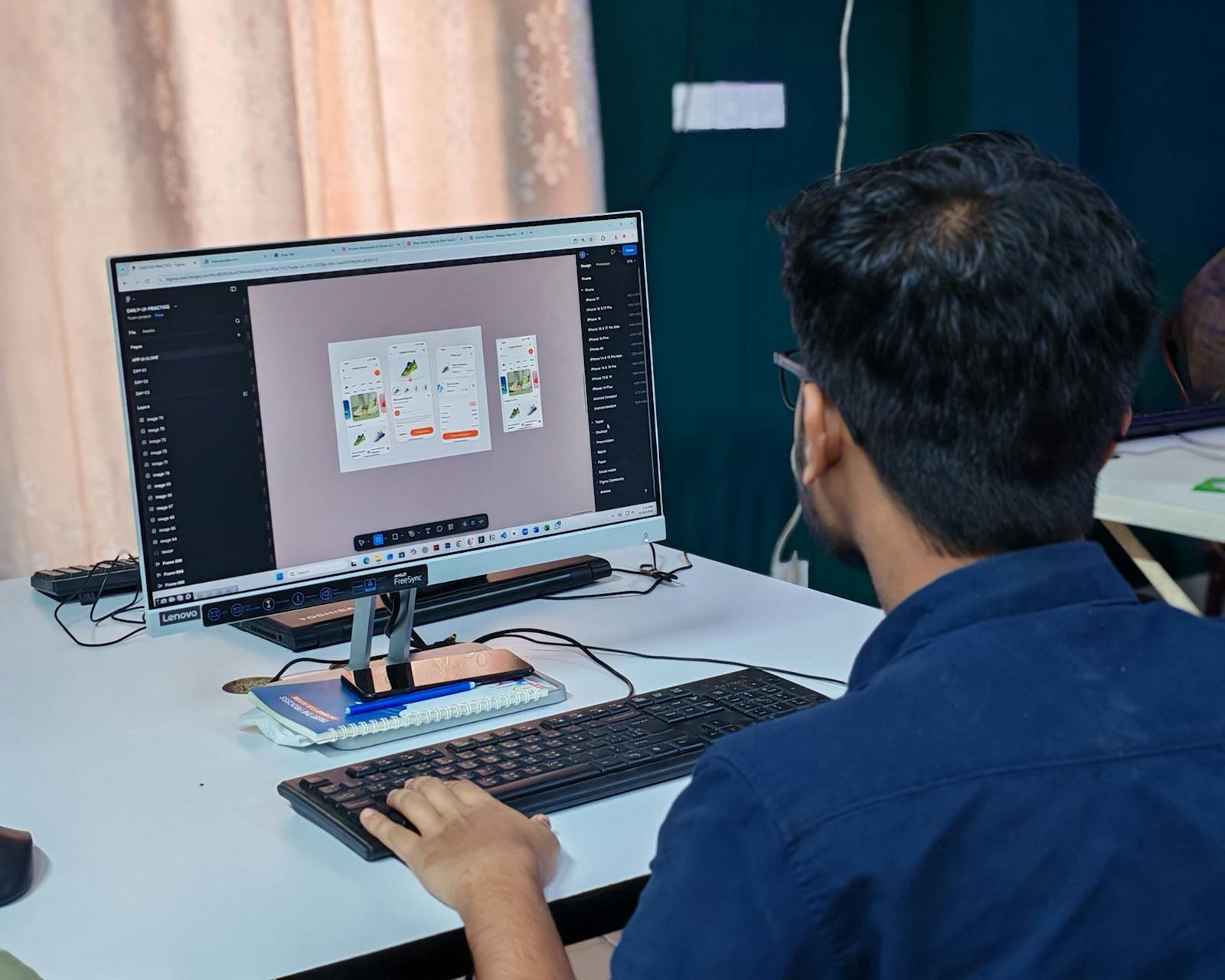
The fake "perfect button"
"Let's redo the button again." Meanwhile, the real product problem stays elsewhere. The product is trying to look prett…
 Mickael Romaniello
30 minutes, no slides, nothing to prepare.
Mickael Romaniello
30 minutes, no slides, nothing to prepare.
The team knows the product so well it stops seeing the obvious problems. And that's exactly where the disasters start.
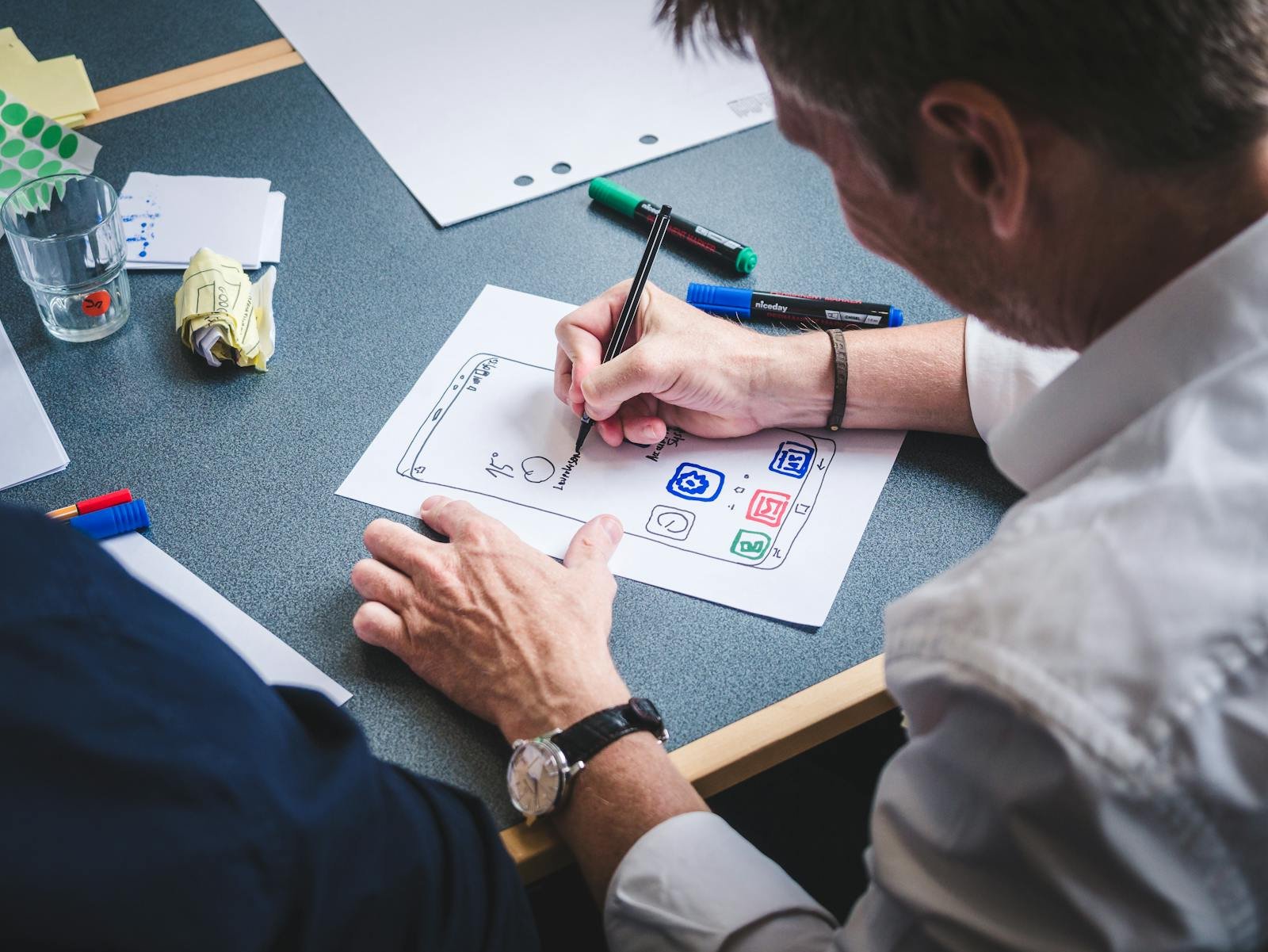
This is an extremely common problem. The team knows the product so well… it stops seeing the obvious problems.
The developer knows the shortcuts. The designer knows the screens. The client already knows the logic. So everything feels "obvious". Except for a new user… nothing is.
And that's often where the disasters start. The important button is invisible. The flow is incomprehensible. The texts say nothing. The navigation feels weird.
But nobody on the team notices. Why ? Because they no longer truly discover the app. They already know it.
And honestly, that's a huge trap in mobile.
Because an app must work for someone who :
According to the Nielsen Norman Group, 5 user tests are enough to reveal 85% of an app's major usability issues. Five.
The best user tests are often very simple : watch someone use the app… without helping them.
And immediately, tons of problems appear : hesitations, misunderstandings, missed taps, abandonment, frustration.
The most interesting part is that many of these problems feel "obvious" in hindsight. But as long as you stay inside your own product logic… you don't see them.
That's also why apps that feel simple are often the result of huge amounts of user observation. Simplicity isn't accidental. It usually comes from a very fine understanding of real behaviors.
Has your app ever been tested by someone who knows nothing about it ? Book a 30-minute call to organize an audit with real user eyes.
12 years of experience, iOS + Android, one dedicated contact. Free 30-minute call to scope your need — no commitment, no jargon.
Book a call →
This is an extremely common problem. The team knows the product so well… it stops seeing the obvious problems.
The developer knows the shortcuts. The designer knows the screens. The client already knows the logic. So everything feels "obvious". Except for a new user… nothing is.
And that's often where the disasters start. The important button is invisible. The flow is incomprehensible. The texts say nothing. The navigation feels weird.
But nobody on the team notices. Why ? Because they no longer truly discover the app. They already know it.
And honestly, that's a huge trap in mobile.
Because an app must work for someone who :
According to the Nielsen Norman Group, 5 user tests are enough to reveal 85% of an app's major usability issues. Five.
The best user tests are often very simple : watch someone use the app… without helping them.
And immediately, tons of problems appear : hesitations, misunderstandings, missed taps, abandonment, frustration.
The most interesting part is that many of these problems feel "obvious" in hindsight. But as long as you stay inside your own product logic… you don't see them.
That's also why apps that feel simple are often the result of huge amounts of user observation. Simplicity isn't accidental. It usually comes from a very fine understanding of real behaviors.
Has your app ever been tested by someone who knows nothing about it ? Book a 30-minute call to organize an audit with real user eyes.
12 years of experience, iOS + Android, one dedicated contact. Free 30-minute call to scope your need — no commitment, no jargon.
Book a call →We write about mobile app development, user experience design, App Store optimization, project management, and industry trends. Our articles are based on real experience from client projects.
We aim to publish regularly with a focus on quality over quantity. Each article is written from hands-on experience, not generic advice.
Absolutely! Feel free to reach out via our contact page or book a consultation. We love hearing what questions our readers and clients have.
Most of my projects run remotely, and in practice that changes very little. We talk over video whenever you need to, not only at major milestones, and you can reach me with questions at any point during the project — I always answer.
You can also write to me directly on WhatsApp: same number I use every day, a French professional line that works internationally.