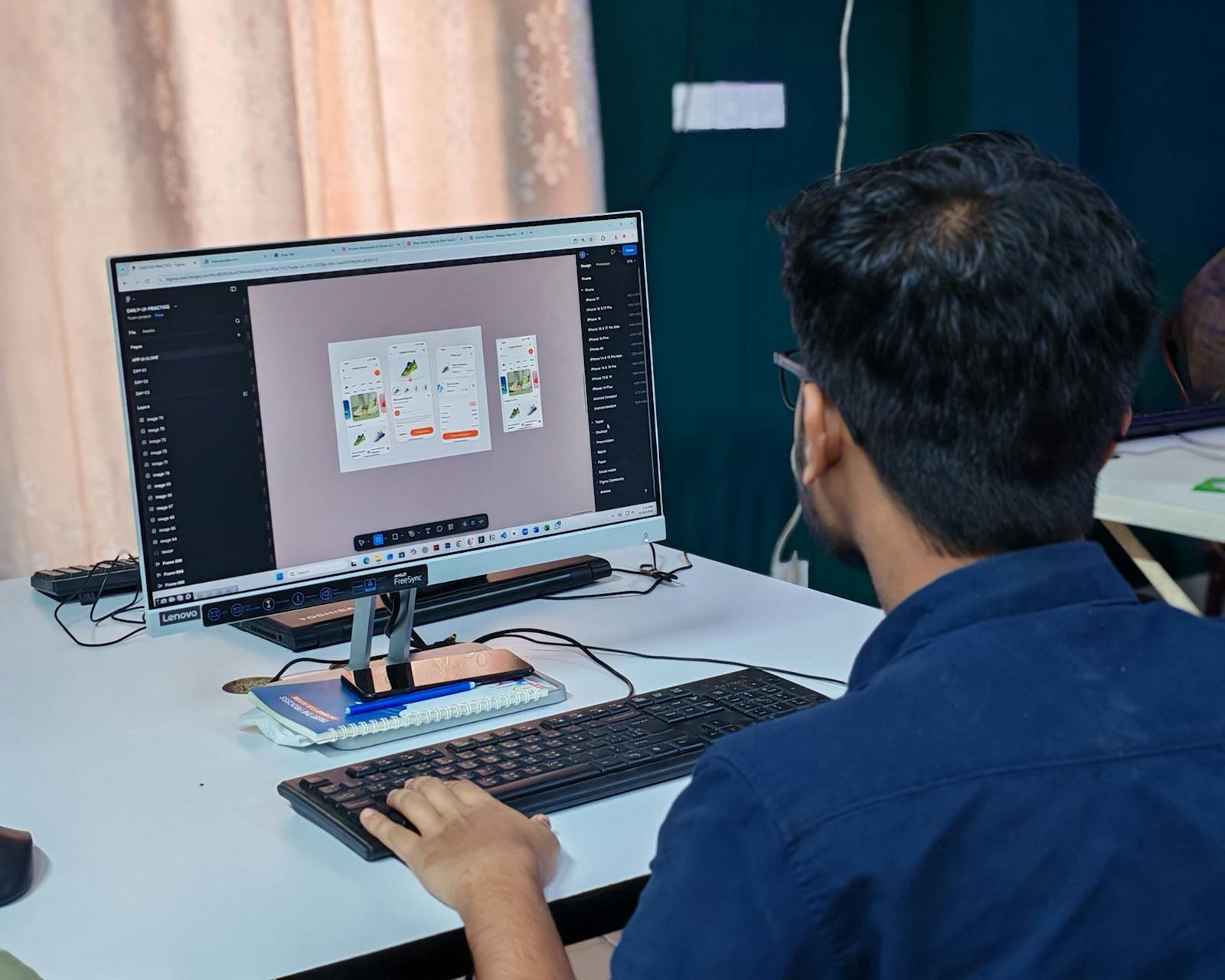
The fake "perfect button"
"Let's redo the button again." Meanwhile, the real product problem stays elsewhere. The product is trying to look prett…
 Mickael Romaniello
30 minutes, no slides, nothing to prepare.
Mickael Romaniello
30 minutes, no slides, nothing to prepare.
Many apps ask how to add more features. Duolingo mostly asks how to make people want to come back tomorrow.
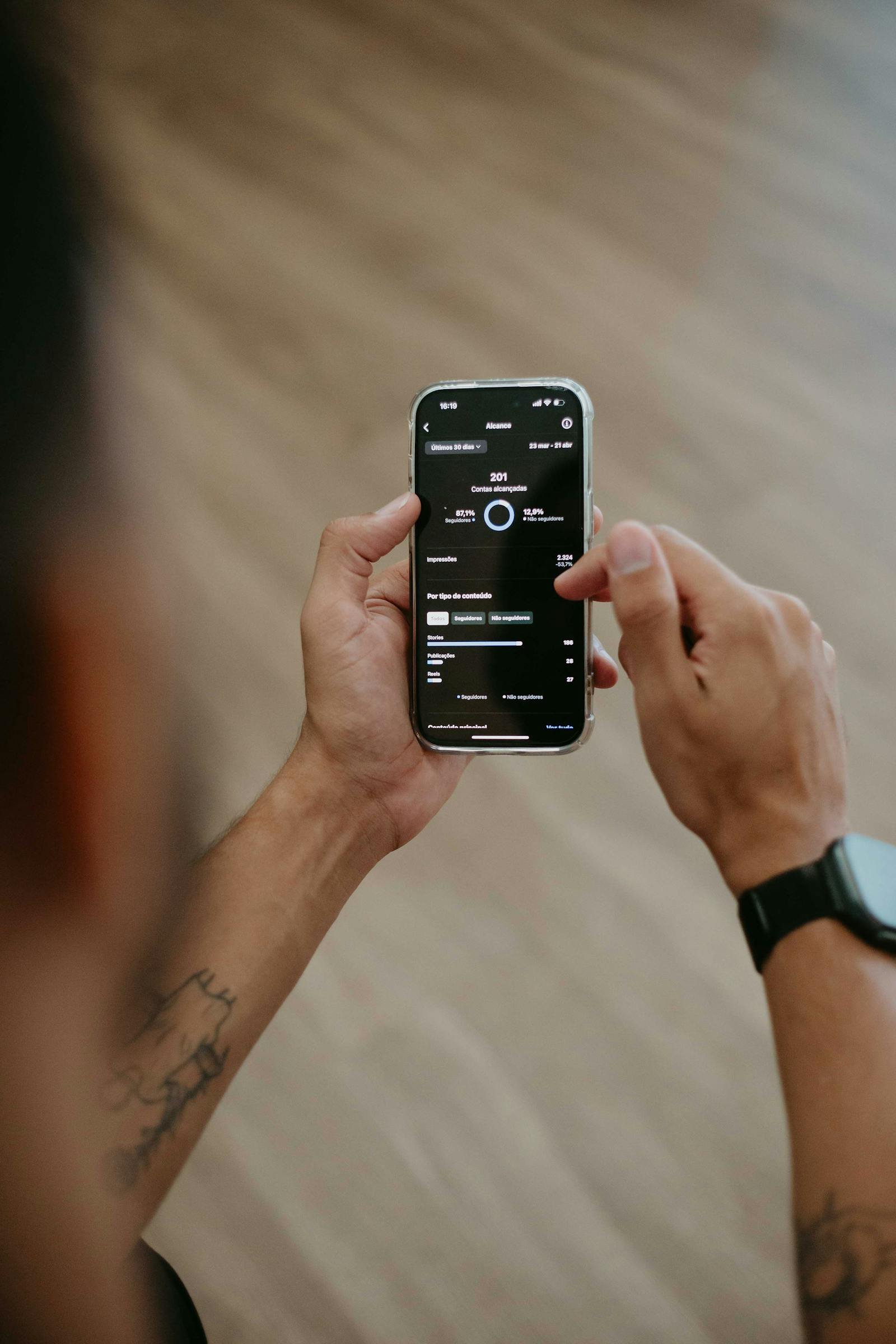
Learning a language is hard. It's long. Sometimes frustrating. Sometimes discouraging. And yet, millions of people keep coming back to Duolingo.
Why ? Because the app understood something very powerful : the brain loves feeling like it's making progress.
Duolingo doesn't just deliver lessons. The app constantly rewards the user. XP. Streaks. Badges. Animations. Sounds. Notifications. Little victories everywhere.
Even when the user only learns three words. And that completely changes the experience.
Because instead of feeling "I'm working", the user feels "I'm progressing". And that sensation is extremely addictive.
According to Statista (2024), Duolingo exceeds 100 million monthly active users. It's not the pedagogical content that keeps them — it's the reward mechanic.
The other very smart thing about Duolingo is how it handles failure. The app does everything possible to avoid making the user feel guilty.
Missed an answer ? No big deal. Coming back after several days ? The app welcomes you anyway. Did a two-minute session ? Well done. Everything is designed to encourage the return.
And honestly, plenty of apps do exactly the opposite. They punish, complicate, guilt-trip, or demand too much effort immediately.
Duolingo, on the other hand, constantly reduces emotional friction — and that is probably one of the main reasons for its retention.
The most important context is how unusual that is. Across 2,200 apps and 1.3 billion installs, 46.1% of Android installs were uninstalled within 30 days in 2024, and the report notes that "majority of uninstalls occur on the first day, likely due to unmet expectations" (AppsFlyer, App Uninstall Report, 2025). The older and even bleaker benchmark — "the average app loses 77% of its DAUs within the first 3 days after the install. Within 30 days, it's lost 90% of DAUs" (Andrew Chen, using Quettra data, 2015) — is worth knowing, though it measures daily-active decay rather than cohort retention, and it is Android data from 2015.
In short : the default outcome is that roughly half your users are gone within a month. Retention is not a feature you add at the end — it is the thing the first day of use has to earn.
Because in the end, many apps ask : "How do we add more features ?" Duolingo mainly asks : "How do we make people want to come back tomorrow ?"
And that difference is gigantic.
Does your app need to make people want to come back, not just try once ? Book a 30-minute call to identify the return triggers your product could activate.
12 years of experience, iOS + Android, one dedicated contact. Free 30-minute call to scope your need — no commitment, no jargon.
Book a call →
Learning a language is hard. It's long. Sometimes frustrating. Sometimes discouraging. And yet, millions of people keep coming back to Duolingo.
Why ? Because the app understood something very powerful : the brain loves feeling like it's making progress.
Duolingo doesn't just deliver lessons. The app constantly rewards the user. XP. Streaks. Badges. Animations. Sounds. Notifications. Little victories everywhere.
Even when the user only learns three words. And that completely changes the experience.
Because instead of feeling "I'm working", the user feels "I'm progressing". And that sensation is extremely addictive.
According to Statista (2024), Duolingo exceeds 100 million monthly active users. It's not the pedagogical content that keeps them — it's the reward mechanic.
The other very smart thing about Duolingo is how it handles failure. The app does everything possible to avoid making the user feel guilty.
Missed an answer ? No big deal. Coming back after several days ? The app welcomes you anyway. Did a two-minute session ? Well done. Everything is designed to encourage the return.
And honestly, plenty of apps do exactly the opposite. They punish, complicate, guilt-trip, or demand too much effort immediately.
Duolingo, on the other hand, constantly reduces emotional friction — and that is probably one of the main reasons for its retention.
The most important context is how unusual that is. Across 2,200 apps and 1.3 billion installs, 46.1% of Android installs were uninstalled within 30 days in 2024, and the report notes that "majority of uninstalls occur on the first day, likely due to unmet expectations" (AppsFlyer, App Uninstall Report, 2025). The older and even bleaker benchmark — "the average app loses 77% of its DAUs within the first 3 days after the install. Within 30 days, it's lost 90% of DAUs" (Andrew Chen, using Quettra data, 2015) — is worth knowing, though it measures daily-active decay rather than cohort retention, and it is Android data from 2015.
In short : the default outcome is that roughly half your users are gone within a month. Retention is not a feature you add at the end — it is the thing the first day of use has to earn.
Because in the end, many apps ask : "How do we add more features ?" Duolingo mainly asks : "How do we make people want to come back tomorrow ?"
And that difference is gigantic.
Does your app need to make people want to come back, not just try once ? Book a 30-minute call to identify the return triggers your product could activate.
12 years of experience, iOS + Android, one dedicated contact. Free 30-minute call to scope your need — no commitment, no jargon.
Book a call →We write about mobile app development, user experience design, App Store optimization, project management, and industry trends. Our articles are based on real experience from client projects.
We aim to publish regularly with a focus on quality over quantity. Each article is written from hands-on experience, not generic advice.
Absolutely! Feel free to reach out via our contact page or book a consultation. We love hearing what questions our readers and clients have.
Most of my projects run remotely, and in practice that changes very little. We talk over video whenever you need to, not only at major milestones, and you can reach me with questions at any point during the project — I always answer.
You can also write to me directly on WhatsApp: same number I use every day, a French professional line that works internationally.