When marketing becomes a disappointment accelerator
An app can have great marketing, beautiful branding, strong visibility. If onboarding is confusing, downloads don't mea…
 Mickael Romaniello
30 minutes, no slides, nothing to prepare.
Mickael Romaniello
30 minutes, no slides, nothing to prepare.
A bad public rating influences downloads, conversion, credibility and acquisition cost. And you can't really erase it.
When a mobile app launches, many projects mainly watch downloads.
But very quickly, another element becomes extremely important : App Store and Google Play reviews.
Because before even downloading an app, a huge number of users look at the average rating, the comments, recent critiques, the problems reported by other users. And a bad mobile reputation can break a lot of trust.
The problem is that many apps run marketing campaigns when the product isn't yet stable enough.
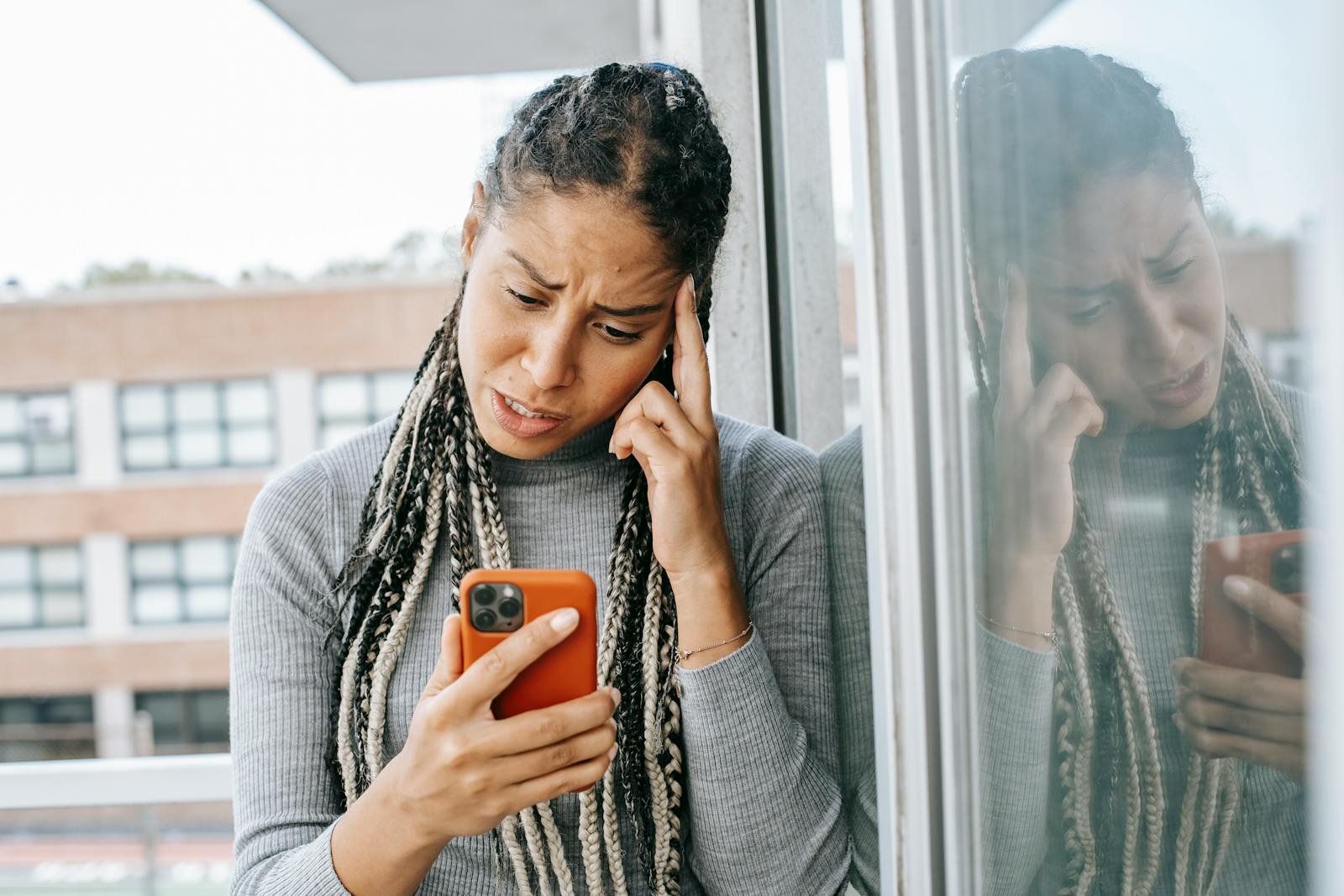
Users arrive. Then : the app crashes, payments fail, signup glitches, the interface feels confusing, some features look unfinished.
And then come the famous reviews : "Unusable app." "Can't log in." "Deleting." "Waste of time."
And contrary to popular belief, those reviews don't disappear easily.
On Google Play, it's practically impossible to fully "reset" an app's reputation. On Apple, there is a system to reset the average rating with a new major version, but the comments stay visible (App Store Connect Help).
So no, there is no magic "delete my bad reviews" button. And honestly, it's logical. Otherwise, every problematic app could just wipe its reputation after each update.
The real topic isn't : "How do I hide negative reviews ?" The real topic is : "Why did users leave these reviews ?"
Because behind a bad rating, you often find a frustration, a loss of trust, a broken flow, a misleading marketing promise, an unstable experience. And sometimes, a few extra weeks of stabilization would have avoided enormous damage.
That's also why an overly ambitious V1 can become dangerous. The more features, the more potential bugs, the more complex the flows, the higher the risk of bad experience. Sometimes, a simpler but more stable app generates much more trust.
On mobile, trust is critical. Because a publicly visible bad rating massively influences download rate, conversion, product credibility, marketing acquisition cost.
According to an Apptentive (2024) study, going from a 3 to 4 star rating can multiply store conversions by 4. Users read reviews. They check critiques. And they make decisions extremely fast.
Product reputation builds slowly. But it can break very fast. And often, the best way to improve an app's rating isn't to ask for more reviews. It's simply to genuinely improve the user experience.
Want to audit what creates your bad reviews before the next launch ? Book a 30-minute call to identify the most expensive friction points in your app.
12 years of experience, iOS + Android, one dedicated contact. Free 30-minute call to scope your need — no commitment, no jargon.
Book a call →
When a mobile app launches, many projects mainly watch downloads.
But very quickly, another element becomes extremely important : App Store and Google Play reviews.
Because before even downloading an app, a huge number of users look at the average rating, the comments, recent critiques, the problems reported by other users. And a bad mobile reputation can break a lot of trust.
The problem is that many apps run marketing campaigns when the product isn't yet stable enough.
Users arrive. Then : the app crashes, payments fail, signup glitches, the interface feels confusing, some features look unfinished.
And then come the famous reviews : "Unusable app." "Can't log in." "Deleting." "Waste of time."
And contrary to popular belief, those reviews don't disappear easily.
On Google Play, it's practically impossible to fully "reset" an app's reputation. On Apple, there is a system to reset the average rating with a new major version, but the comments stay visible (App Store Connect Help).
So no, there is no magic "delete my bad reviews" button. And honestly, it's logical. Otherwise, every problematic app could just wipe its reputation after each update.
The real topic isn't : "How do I hide negative reviews ?" The real topic is : "Why did users leave these reviews ?"
Because behind a bad rating, you often find a frustration, a loss of trust, a broken flow, a misleading marketing promise, an unstable experience. And sometimes, a few extra weeks of stabilization would have avoided enormous damage.
That's also why an overly ambitious V1 can become dangerous. The more features, the more potential bugs, the more complex the flows, the higher the risk of bad experience. Sometimes, a simpler but more stable app generates much more trust.
On mobile, trust is critical. Because a publicly visible bad rating massively influences download rate, conversion, product credibility, marketing acquisition cost.
According to an Apptentive (2024) study, going from a 3 to 4 star rating can multiply store conversions by 4. Users read reviews. They check critiques. And they make decisions extremely fast.
Product reputation builds slowly. But it can break very fast. And often, the best way to improve an app's rating isn't to ask for more reviews. It's simply to genuinely improve the user experience.
Want to audit what creates your bad reviews before the next launch ? Book a 30-minute call to identify the most expensive friction points in your app.
12 years of experience, iOS + Android, one dedicated contact. Free 30-minute call to scope your need — no commitment, no jargon.
Book a call →We write about mobile app development, user experience design, App Store optimization, project management, and industry trends. Our articles are based on real experience from client projects.
We aim to publish regularly with a focus on quality over quantity. Each article is written from hands-on experience, not generic advice.
Absolutely! Feel free to reach out via our contact page or book a consultation. We love hearing what questions our readers and clients have.
Most of my projects run remotely, and in practice that changes very little. We talk over video whenever you need to, not only at major milestones, and you can reach me with questions at any point during the project — I always answer.
You can also write to me directly on WhatsApp: same number I use every day, a French professional line that works internationally.