1-star reviews are very expensive
A bad public rating influences downloads, conversion, credibility and acquisition cost. And you can't really erase it.
 Mickael Romaniello
30 minutes, no slides, nothing to prepare.
Mickael Romaniello
30 minutes, no slides, nothing to prepare.
The app crashes. Screens are slow. The flow is confusing. Yet the ad budget keeps growing. As if pulling in more would fix it.
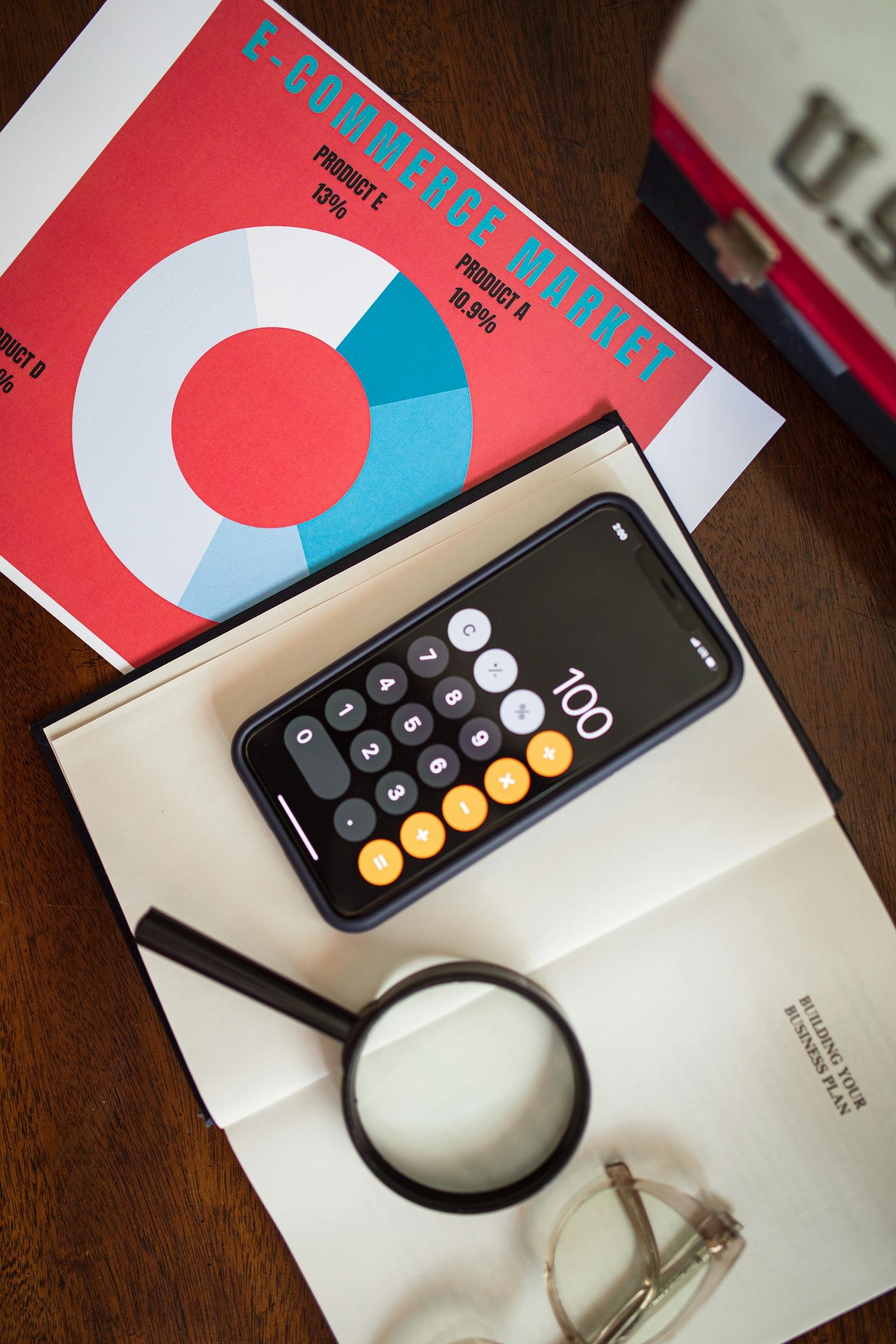
Many project owners think the main problem of a mobile app is visibility.
So they invest in Facebook Ads, influencers, Google Ads, sponsored videos, sometimes entire marketing agencies. And sometimes, results come fast.
Downloads go up. Traffic rises. Users finally land on the app. But behind that beautiful curve… people leave immediately.
Why ? Because the real problem was never advertising. The real problem was the user experience.
This is something we see all the time in mobile. An app can perfectly succeed at attracting users… and completely fail at keeping them.
And often, the product team thinks : "We need more traffic." When the real issue is somewhere else :
Imagine a restaurant that invests heavily in advertising. People arrive en masse. The room is full. But the food is cold, the service slow and the organization catastrophic. The problem isn't marketing anymore. The problem is the lived experience.
On mobile, this reality is even more brutal. Because a mobile user judges extremely fast. Sometimes in under 30 seconds.
They open the app. They look. They test. And very quickly, their brain answers a simple question : "Does this app deserve my time ?" If the answer feels blurry… the user leaves.
According to Statista (2024), more than 70% of downloaded apps are deleted within 7 days. Seven days. Not seven months.
An app can have great marketing, beautiful branding, strong visibility. But if behind it the onboarding is confusing, crashes are common, the flow feels slow, the user understands nothing, the downloads don't mean much anymore.
According to Adjust (2024), apps with bad onboarding lose up to 77% of users within 3 days after install. Even those with perfectly optimized campaigns.
The worst part of this situation is that advertising also amplifies the problems. The more traffic you push toward a bad experience :
According to Statista (2024), average cost per install has tripled in 4 years. If you're paying for installs that uninstall within a week, the math turns brutal.
And yet many teams keep injecting ad budget. As if visibility would fix the product. Spoiler : it doesn't.
A marketing campaign can convince someone to open your app once. But it cannot force anyone to like the experience.
Because an unstable app with lots of traffic… looks a lot like a leaky bucket. The more you pour in, the more you lose.
Before investing heavily in acquisition, you often need to check much more important things : is the main flow smooth ? Does the user immediately understand the value ? Where do they drop off ? What frustrates them ? What breaks trust ?
Because sometimes, fixing a few big friction points pays off much more than increasing the marketing budget. And that's often where the real product work begins.
A good app doesn't depend only on its visibility. It depends mainly on its ability to create an experience clear, pleasant and reassuring enough to make people want to come back. And that — no advertising budget can really buy it.
Do you suspect your acquisition cost is hiding a product problem ? Book a 30-minute call to audit the real bottleneck before scaling ad spend.
Building apps since 2013, iOS + Android, one dedicated contact. Free 30-minute call to scope your need — no commitment, no jargon.
Book a call →
Many project owners think the main problem of a mobile app is visibility.
So they invest in Facebook Ads, influencers, Google Ads, sponsored videos, sometimes entire marketing agencies. And sometimes, results come fast.
Downloads go up. Traffic rises. Users finally land on the app. But behind that beautiful curve… people leave immediately.
Why ? Because the real problem was never advertising. The real problem was the user experience.
This is something we see all the time in mobile. An app can perfectly succeed at attracting users… and completely fail at keeping them.
And often, the product team thinks : "We need more traffic." When the real issue is somewhere else :
Imagine a restaurant that invests heavily in advertising. People arrive en masse. The room is full. But the food is cold, the service slow and the organization catastrophic. The problem isn't marketing anymore. The problem is the lived experience.
On mobile, this reality is even more brutal. Because a mobile user judges extremely fast. Sometimes in under 30 seconds.
They open the app. They look. They test. And very quickly, their brain answers a simple question : "Does this app deserve my time ?" If the answer feels blurry… the user leaves.
According to Statista (2024), more than 70% of downloaded apps are deleted within 7 days. Seven days. Not seven months.
An app can have great marketing, beautiful branding, strong visibility. But if behind it the onboarding is confusing, crashes are common, the flow feels slow, the user understands nothing, the downloads don't mean much anymore.
According to Adjust (2024), apps with bad onboarding lose up to 77% of users within 3 days after install. Even those with perfectly optimized campaigns.
The worst part of this situation is that advertising also amplifies the problems. The more traffic you push toward a bad experience :
According to Statista (2024), average cost per install has tripled in 4 years. If you're paying for installs that uninstall within a week, the math turns brutal.
And yet many teams keep injecting ad budget. As if visibility would fix the product. Spoiler : it doesn't.
A marketing campaign can convince someone to open your app once. But it cannot force anyone to like the experience.
Because an unstable app with lots of traffic… looks a lot like a leaky bucket. The more you pour in, the more you lose.
Before investing heavily in acquisition, you often need to check much more important things : is the main flow smooth ? Does the user immediately understand the value ? Where do they drop off ? What frustrates them ? What breaks trust ?
Because sometimes, fixing a few big friction points pays off much more than increasing the marketing budget. And that's often where the real product work begins.
A good app doesn't depend only on its visibility. It depends mainly on its ability to create an experience clear, pleasant and reassuring enough to make people want to come back. And that — no advertising budget can really buy it.
Do you suspect your acquisition cost is hiding a product problem ? Book a 30-minute call to audit the real bottleneck before scaling ad spend.
Building apps since 2013, iOS + Android, one dedicated contact. Free 30-minute call to scope your need — no commitment, no jargon.
Book a call →We write about mobile app development, user experience design, App Store optimization, project management, and industry trends. Our articles are based on real experience from client projects.
We aim to publish regularly with a focus on quality over quantity. Each article is written from hands-on experience, not generic advice.
Absolutely! Feel free to reach out via our contact page or book a consultation. We love hearing what questions our readers and clients have.
Most of my projects run remotely, and in practice that changes very little. We talk over video whenever you need to, not only at major milestones, and you can reach me with questions at any point during the project — I always answer.
You can also write to me directly on WhatsApp: same number I use every day, a French professional line that works internationally.