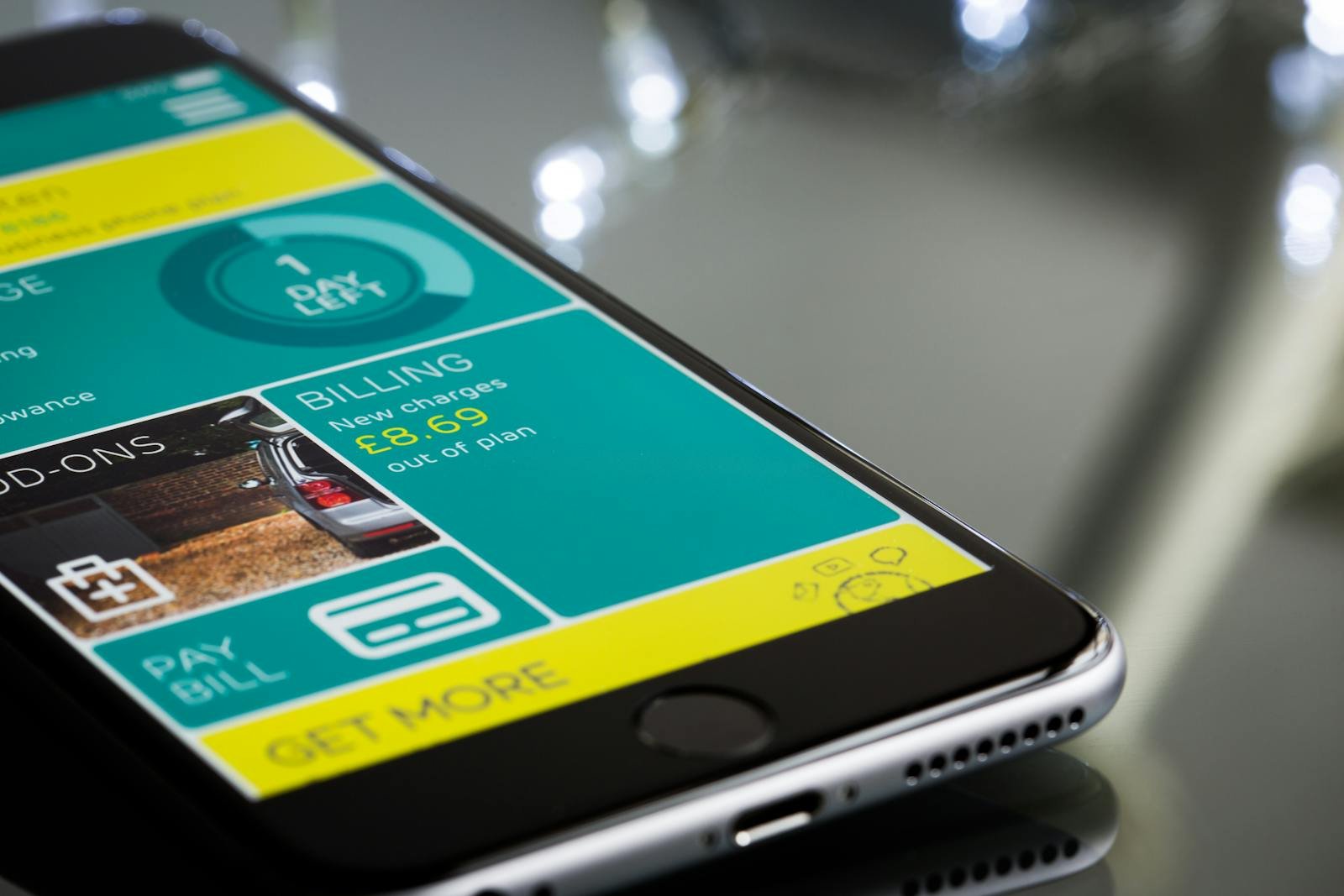
Screenshots can kill an app
Before even opening an app, users look at the screenshots. In seconds, they build a mental expectation. That's where ev…
 Mickael Romaniello
30 minutes, no slides, nothing to prepare.
Mickael Romaniello
30 minutes, no slides, nothing to prepare.
Massive promises. Heavily retouched screenshots. AI everywhere. Everything looks incredible. Then the user downloads… and the trapped feeling kicks in.
Today, tons of apps use extremely aggressive store listings.
Huge promises. Heavily retouched screenshots. "Revolutionary" features. AI everywhere. Everything looks incredible.
Then the user downloads the app… and finds something completely different.
The real experience feels :
And then a very dangerous feeling appears : the feeling of being trapped.
The problem isn't only technical. It's emotional.
Because a bad experience can sometimes be forgiven. A feeling of deception ? Much less. And honestly, it's one of the fastest ways to destroy user trust.
The stores monitor this heavily, because both treat the listing as an official representation of the product — and both have written the rule down.
Apple's guideline 2.3 opens with it : "Customers should know what they're getting when they download or buy your app, so make sure all your app metadata, including privacy information, your app description, screenshots, and previews accurately reflect the app's core experience." Guideline 2.3.1 adds the consequence in unusually direct language : marketing an app misleadingly "is grounds for removal of your app from the App Store […] and termination of your developer account" (Apple App Store Review Guidelines 2.3, 2026).
Google is shorter and just as firm : "We don't allow apps that contain false or misleading information or claims, including in the description, title, icon, and screenshots." (Google Play Developer Policy, Deceptive Behavior, 2026). In short : overselling is not a marketing decision with a marketing-sized downside. It is 1 of the 2 grounds on which an account, not just an app, can be closed.
If images heavily exaggerate the experience, show missing features, or don't look like the real app, it can become a problem at review time. The App Store Review Guidelines (Metadata) and the Google Play policies on misleading content are categorical.
Teams still often think "It's just marketing." Wrong.
The store listing is fully part of the product experience. It sets user expectations. And when reality doesn't follow… disappointment becomes brutal.
The best products aren't only trying to impress. They're mainly trying to be consistent. And honestly, that consistency creates much more trust than a spectacular promise that can't be kept.
Is your store listing setting up expectations the app can't meet ? Book a 30-minute call to align the promise with the experience before the next update.
12 years of experience, iOS + Android, one dedicated contact. Free 30-minute call to scope your need — no commitment, no jargon.
Book a call →
Today, tons of apps use extremely aggressive store listings.
Huge promises. Heavily retouched screenshots. "Revolutionary" features. AI everywhere. Everything looks incredible.
Then the user downloads the app… and finds something completely different.
The real experience feels :
And then a very dangerous feeling appears : the feeling of being trapped.
The problem isn't only technical. It's emotional.
Because a bad experience can sometimes be forgiven. A feeling of deception ? Much less. And honestly, it's one of the fastest ways to destroy user trust.
The stores monitor this heavily, because both treat the listing as an official representation of the product — and both have written the rule down.
Apple's guideline 2.3 opens with it : "Customers should know what they're getting when they download or buy your app, so make sure all your app metadata, including privacy information, your app description, screenshots, and previews accurately reflect the app's core experience." Guideline 2.3.1 adds the consequence in unusually direct language : marketing an app misleadingly "is grounds for removal of your app from the App Store […] and termination of your developer account" (Apple App Store Review Guidelines 2.3, 2026).
Google is shorter and just as firm : "We don't allow apps that contain false or misleading information or claims, including in the description, title, icon, and screenshots." (Google Play Developer Policy, Deceptive Behavior, 2026). In short : overselling is not a marketing decision with a marketing-sized downside. It is 1 of the 2 grounds on which an account, not just an app, can be closed.
If images heavily exaggerate the experience, show missing features, or don't look like the real app, it can become a problem at review time. The App Store Review Guidelines (Metadata) and the Google Play policies on misleading content are categorical.
Teams still often think "It's just marketing." Wrong.
The store listing is fully part of the product experience. It sets user expectations. And when reality doesn't follow… disappointment becomes brutal.
The best products aren't only trying to impress. They're mainly trying to be consistent. And honestly, that consistency creates much more trust than a spectacular promise that can't be kept.
Is your store listing setting up expectations the app can't meet ? Book a 30-minute call to align the promise with the experience before the next update.
12 years of experience, iOS + Android, one dedicated contact. Free 30-minute call to scope your need — no commitment, no jargon.
Book a call →We write about mobile app development, user experience design, App Store optimization, project management, and industry trends. Our articles are based on real experience from client projects.
We aim to publish regularly with a focus on quality over quantity. Each article is written from hands-on experience, not generic advice.
Absolutely! Feel free to reach out via our contact page or book a consultation. We love hearing what questions our readers and clients have.
Most of my projects run remotely, and in practice that changes very little. We talk over video whenever you need to, not only at major milestones, and you can reach me with questions at any point during the project — I always answer.
You can also write to me directly on WhatsApp: same number I use every day, a French professional line that works internationally.