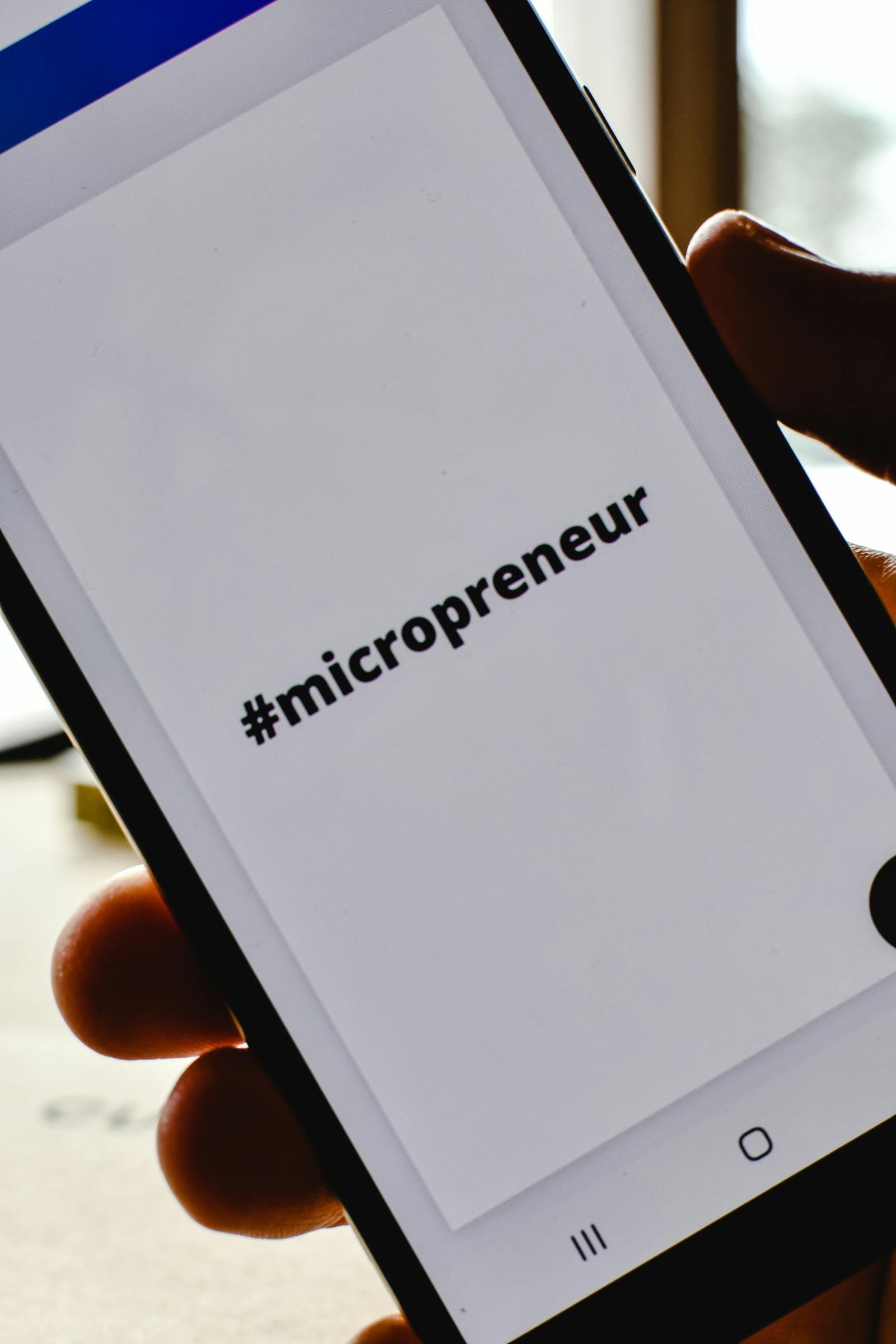
Store promises: the deception that destroys trust
Massive promises. Heavily retouched screenshots. AI everywhere. Everything looks incredible. Then the user downloads… a…
 Mickael Romaniello
30 minutes, no slides, nothing to prepare.
Mickael Romaniello
30 minutes, no slides, nothing to prepare.
Before even opening an app, users look at the screenshots. In seconds, they build a mental expectation. That's where everything is decided.
When preparing an App Store or Google Play submission, many teams treat screenshots as a simple marketing detail.
And honestly, that's a huge mistake.
Because today, the store listing is fully part of the product.
Before even opening an app, the user looks at the screenshots, videos, copy, displayed promises. In seconds, they already build a mental expectation.
The problem arrives when this promise doesn't match the real experience at all.
Screenshots show an incredible interface, ultra-advanced features, a "magical" AI, perfect smoothness. Then the user opens the app… and discovers something completely different.
And the problem isn't just disappointment. The problem is trust loss. Because a user often accepts a bit of slowness, some imperfections, a simple V1. But much less the feeling of being tricked.
What many projects also ignore is that the stores monitor this very closely. Apple and Google can reject an app if the screenshots show non-existent features, display fake screens, heavily exaggerate the actual experience, or give a misleading impression of the product.
That's particularly true on a first submission. Why ? Because the stores treat the listing as an official user promise. The App Store Review Guidelines (Metadata) and the Google Play policies are aligned on this.
And honestly, they're right. Otherwise, any app could sell a dream, attract massive downloads, then deliver a mediocre experience behind. The result would be catastrophic for the ecosystem.
The most interesting part is that sometimes, the problem isn't even intentional. Some teams just want to "make the listing prettier". But on mobile, over-embellishing the experience quickly becomes dangerous.
Because in the end, bad reviews go up, retention drops, users uninstall, product credibility collapses.
The best products aren't necessarily those that promise the most. Often, they're the ones that honestly show what they actually deliver.
Do your screenshots reflect what the user actually experiences in the app ? Book a 30-minute call to tighten the store listing before the next submission.
Building apps since 2013, iOS + Android, one dedicated contact. Free 30-minute call to scope your need — no commitment, no jargon.
Book a call →
When preparing an App Store or Google Play submission, many teams treat screenshots as a simple marketing detail.
And honestly, that's a huge mistake.
Because today, the store listing is fully part of the product.
Before even opening an app, the user looks at the screenshots, videos, copy, displayed promises. In seconds, they already build a mental expectation.
The problem arrives when this promise doesn't match the real experience at all.
Screenshots show an incredible interface, ultra-advanced features, a "magical" AI, perfect smoothness. Then the user opens the app… and discovers something completely different.
And the problem isn't just disappointment. The problem is trust loss. Because a user often accepts a bit of slowness, some imperfections, a simple V1. But much less the feeling of being tricked.
What many projects also ignore is that the stores monitor this very closely. Apple and Google can reject an app if the screenshots show non-existent features, display fake screens, heavily exaggerate the actual experience, or give a misleading impression of the product.
That's particularly true on a first submission. Why ? Because the stores treat the listing as an official user promise. The App Store Review Guidelines (Metadata) and the Google Play policies are aligned on this.
And honestly, they're right. Otherwise, any app could sell a dream, attract massive downloads, then deliver a mediocre experience behind. The result would be catastrophic for the ecosystem.
The most interesting part is that sometimes, the problem isn't even intentional. Some teams just want to "make the listing prettier". But on mobile, over-embellishing the experience quickly becomes dangerous.
Because in the end, bad reviews go up, retention drops, users uninstall, product credibility collapses.
The best products aren't necessarily those that promise the most. Often, they're the ones that honestly show what they actually deliver.
Do your screenshots reflect what the user actually experiences in the app ? Book a 30-minute call to tighten the store listing before the next submission.
Building apps since 2013, iOS + Android, one dedicated contact. Free 30-minute call to scope your need — no commitment, no jargon.
Book a call →We write about mobile app development, user experience design, App Store optimization, project management, and industry trends. Our articles are based on real experience from client projects.
We aim to publish regularly with a focus on quality over quantity. Each article is written from hands-on experience, not generic advice.
Absolutely! Feel free to reach out via our contact page or book a consultation. We love hearing what questions our readers and clients have.
Most of my projects run remotely, and in practice that changes very little. We talk over video whenever you need to, not only at major milestones, and you can reach me with questions at any point during the project — I always answer.
You can also write to me directly on WhatsApp: same number I use every day, a French professional line that works internationally.